

























































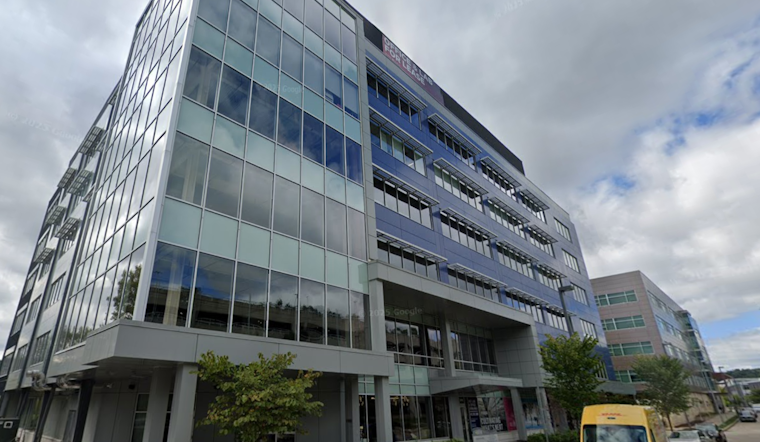
Pitt’s BioForge just pulled off a quiet win for Pittsburgh’s biotech ambitions, turning a year-plus lab collaboration into a firm local manufacturing commitment from a New York company. The deal gives Panther Life Sciences a manufacturing and materials base in the city and adds fresh momentum to the region’s effort to build a serious biomanufacturing cluster.
As reported by the Pittsburgh Business Times, BioForge spent roughly 14 months working with New York-based Panther Life Sciences to test production feasibility for Panther’s microarray-patch platform. That stretch of behind-the-scenes work ultimately persuaded Panther to set up a local manufacturing and materials unit in Pittsburgh. The Business Times also notes that BioForge is operating as an independent University of Pittsburgh subsidiary while the center’s permanent home is being built out.
Where BioForge Operates - And What’s Next
For now, BioForge runs projects from temporary lab space at the Riviera complex at 350 Technology Drive, while Pitt builds a permanent facility at Hazelwood Green. The University’s planning pages describe the larger BioForge build as a roughly 185,000-square-foot biomanufacturing center anchored by a commercial partner and set up for wet labs and advanced production space, per the Pitt BioForge site and Pitt’s Office of Planning, Design & Construction.
What Panther Makes Here
Panther is developing SmartMAP microarray patches, dissolvable microneedle arrays designed to deliver vaccines, therapeutics, and skin-health products without the need for a cold chain. The company says early commercial programs will roll out as manufacturing scales up.
Panther’s own site and news posts say the firm used work at BioForge to validate automated, lower-cost manufacturing approaches that make broader distribution commercially realistic, rather than just a promising lab concept.
Why This Matters For Jobs And The Region
University of Pittsburgh communications and Health Sciences reporting present projects like Panther’s as examples of how BioForge can convert lab breakthroughs into regional economic opportunity, including workforce training and neighborhood partnerships around its sites. Local planners and Pitt officials have promoted the BioForge model as a way to push startups into Pittsburgh-based manufacturing while the permanent Hazelwood Green building is still under construction.





